
A Second Life for Sheet Metal: Is Reuse the Next Step for the Construction Industry?
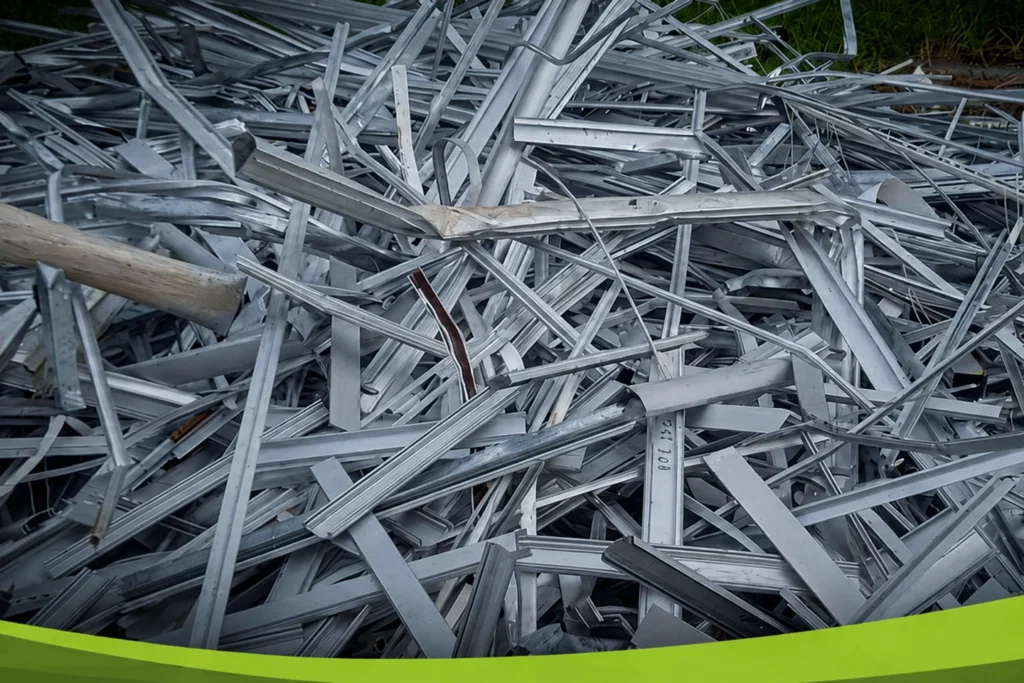
When roofs and façades are removed, large quantities of metal are typically sent straight for recycling. But in several building projects around the world, old sheet metal has instead been given a second life as façades, cladding, or other building elements.
Metal has long had a natural place in the circular economy because steel, aluminum, zinc, and copper can all be recycled. But before the material reaches the recycling plant, there may be another option: using it again.
There is an important distinction. With recycling, the metal is processed into raw material for a new product. With reuse, the material itself is retained and given a new purpose, sometimes after dismantling, sorting, and additional processing.
The World Steel Association highlights reuse as part of steel’s circular potential and points to the value of designing buildings so that materials can be more easily dismantled and used again.
Old Sheet Metal Becomes a New Façade in Seattle
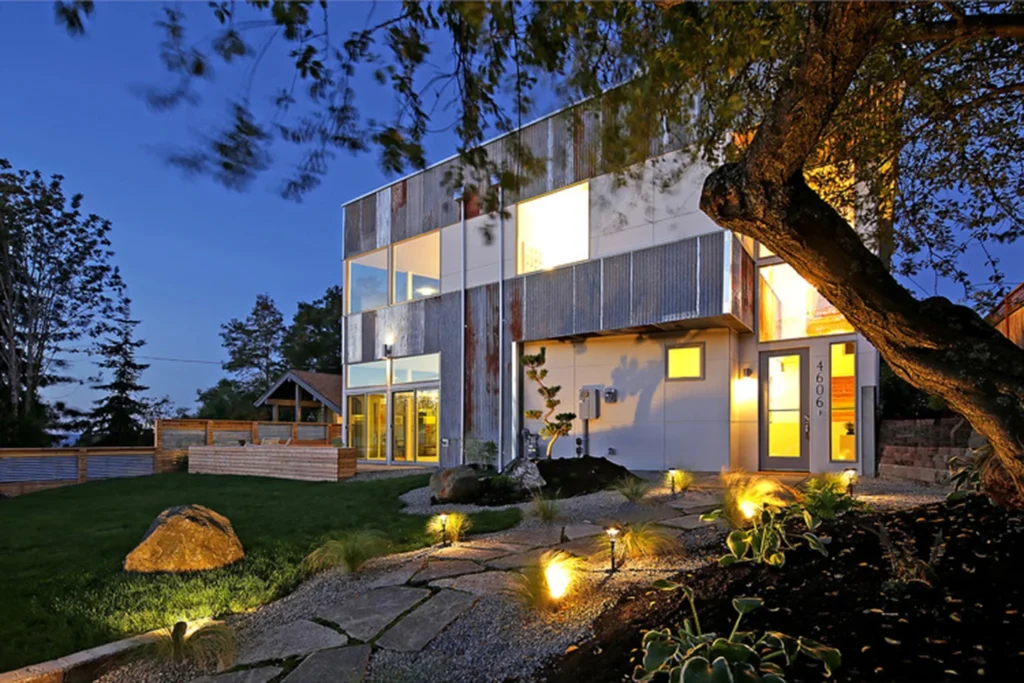
In Seattle, materials from a dismantled barn were used to build Reclaimed Modern. The old corrugated sheet metal was given a new purpose as façade cladding and fencing.
The architects chose to preserve the material’s patina. Rust, variations in color, and traces of its previous life were left visible and became part of the building’s character.
See the Reclaimed Modern project
An Old Metal Shed Becomes an Office in Sydney
In Sydney, an old corrugated metal shed was given a new life in the Tinshed project.
When the building was converted into an office and studio, much of the existing sheet metal was retained. The result is a building where the old material remains clearly visible, but in a completely new setting.
In Rotterdam, the Building Had to Adapt to the Materials
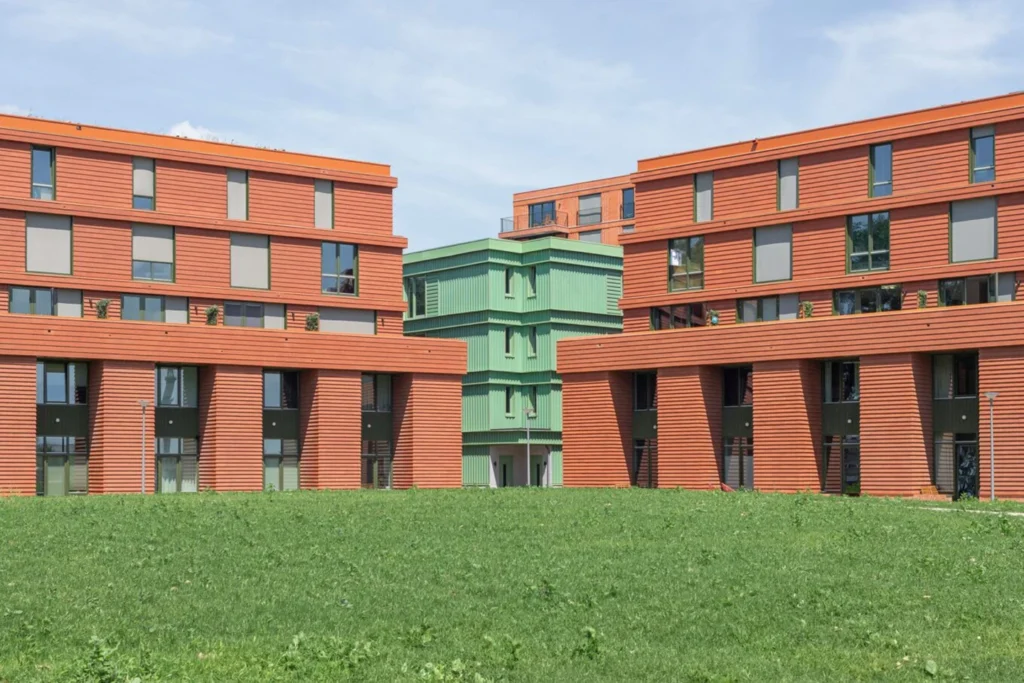
Villa Residu in Rotterdam shows another side of material reuse.
A high proportion of reused and recycled building products were incorporated into the project, including metal panels and steel elements. Because the materials were already available, parts of the building had to be adapted to the dimensions and properties of what could be sourced.
This is perhaps where reuse becomes particularly interesting for the sheet metal industry. When working with existing material, it is not always possible to start with a standard sheet size and simply order what is needed. Sometimes, the starting point must be the material that is already available.
It Sounds Simple – But It Isn’t
For reuse to work on a larger scale, simply having the sheet metal available is not enough.
Someone needs to assess its condition, dismantle it without unnecessary damage, and determine what can be used again. Corrosion, previous fixings, seams, deformation, and surface coatings all affect what is possible. So do storage, sorting, documentation, and quality requirements.
In other words, this is not only a question of materials. It is also a question of knowledge and handling.
In many projects, the material flow still looks something like this:
Demolition → metal scrap → recycling → new sheet metal.
But in some cases, the route could instead be:
Dismantling → inspection → sorting → reprocessing → new use.
What Could This Mean for the Sheet Metal Industry?
Reused sheet metal is still far from being standard practice in the global construction market. But projects in the USA, Australia, and the Netherlands show that existing sheet metal can be used in new ways.
For sheet metal contractors and fabricators, this could create a new area of work: not only processing new material, but also understanding how sheet metal that has already had one life can be prepared for another.
That requires material knowledge, careful assessment, and flexible fabrication. It could also open the door to new types of projects as more developers and architects begin to look for ways to incorporate reused materials.


